



IDH1
IDH1 (isocitrate dehydrogenase 1) is a cytosolic and peroxisomal NADP+-dependent enzyme that catalyzes the conversion of isocitrate to α-ketoglutarate (α-KG) while generating NADPH, thereby supporting cellular redox homeostasis and intermediary metabolism[1][2]. Mechanistically, IDH1 contributes to metabolic pathways that regulate oxidative stress responses, biosynthetic processes, and α-KG availability for multiple cellular reactions[1][2]. In cancer biology, IDH1 is notable because recurrent mutations, most commonly affecting residue R132, confer a neomorphic enzymatic activity that converts α-KG into D-2-hydroxyglutarate (D-2HG), an oncometabolite that accumulates in tumor cells[3][2][4]. Elevated D-2HG inhibits α-KG-dependent dioxygenases, resulting in widespread epigenetic alterations and impaired cellular differentiation that contribute to tumor development and progression[2][4][5]. These molecular effects have been extensively studied in glioma and acute myeloid leukemia models, where mutant IDH1 functions as an early driver of tumorigenesis and metabolic reprogramming[4][5][6]. Compared with the related isoform IDH2, which is localized primarily in mitochondria, IDH1 is predominantly cytosolic and peroxisomal, creating distinct subcellular metabolic functions despite sharing similar catalytic chemistry[1][7]. For experimental applications, selective mutant IDH1 inhibitors reduce D-2HG production and promote cellular differentiation in preclinical models, making them valuable tools for investigating IDH1-dependent metabolic and epigenetic mechanisms in cancer research[5][6][8].
References:
- [1]. IDH1 gene information from NCBI.
- [2]. Alzial G, et al. Wild-type isocitrate dehydrogenase under the spotlight in glioblastoma. Oncogene. 2022 Jan;41(5):613-621. [Content Brief]
- [3]. Liu Z, et al. Inhibition of cancer-associated mutant isocitrate dehydrogenases: synthesis, structure-activity relationship, and selective antitumor activity. J Med Chem. 2014 Oct 23;57(20):8307-18. [Content Brief]
- [4]. Waitkus MS, et al. Biological Role and Therapeutic Potential of IDH Mutations in Cancer. Cancer Cell. 2018 Aug 13;34(2):186-195. [Content Brief]
- [5]. Rohle D, et al. An inhibitor of mutant IDH1 delays growth and promotes differentiation of glioma cells. Science. 2013 May 3;340(6132):626-30. [Content Brief]
- [6]. Golub D, et al. Mutant Isocitrate Dehydrogenase Inhibitors as Targeted Cancer Therapeutics. Front Oncol. 2019 May 17;9:417. [Content Brief]
- [7]. Al-Khallaf H. Isocitrate dehydrogenases in physiology and cancer: biochemical and molecular insight. Cell Biosci. 2017;7:37.
- [8]. Popovici-Muller J, et al. Discovery of the First Potent Inhibitors of Mutant IDH1 That Lower Tumor 2-HG in Vivo. ACS Med Chem Lett. 2012 Sep 17;3(10):850-5. [Content Brief]
All Product Categories
-
IDH1 Related Products (27)
Related Products (27)

-
Antibodies (1)
- 1
- 2
-
Ivosidenib
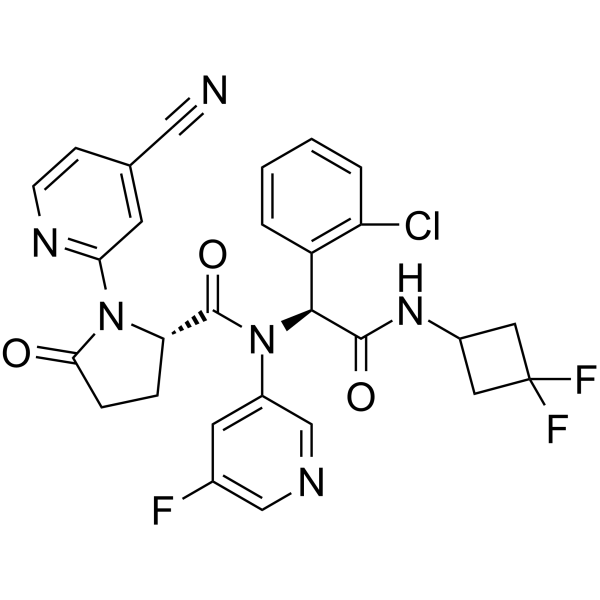 0 ImagesSynonyms: AG-120Ivosidenib (AG-120) is an orally active inhibitor of isocitrate dehydrogenase 1 mutant (mIDH1) enzyme, it exhibits profound d-2-hydroxyglutatrate (2-HG) lowering in vivo. Ivosidenib (AG-120) has the potential for AML therapy due to its acceptable safety profile and clinical activity.
-
Vorasidenib
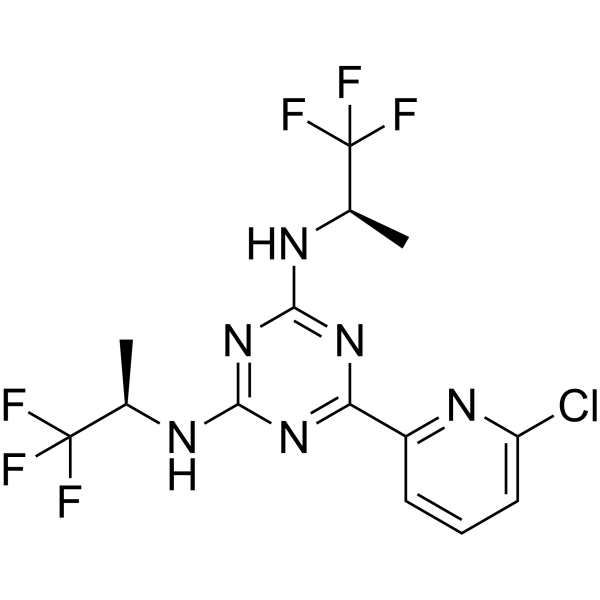 0 ImagesSynonyms: AG-881Vorasidenib (AG-881) is an orally available, brain penetrant second-generation dual mutant isocitrate dehydrogenases 1 and 2 (mIDH1/2) inhibitor. Vorasidenib (AG-881) exhibits nanomolar inhibition of (D)-2-hydroxyglutarate (D-2-HG), and the IC50 ranges of 0.04~22 nM against IDH1 R132C, IDH1 R132G, IDH1 R132H and IDH1 R132S and 7~14 nM against IDH2 R140Q and 130 nM against IDH2 R172K. Vorasidenib can be used for the study of grade 2 astrocytoma or oligodendroglioma with a susceptible IDH1/2 mutation.
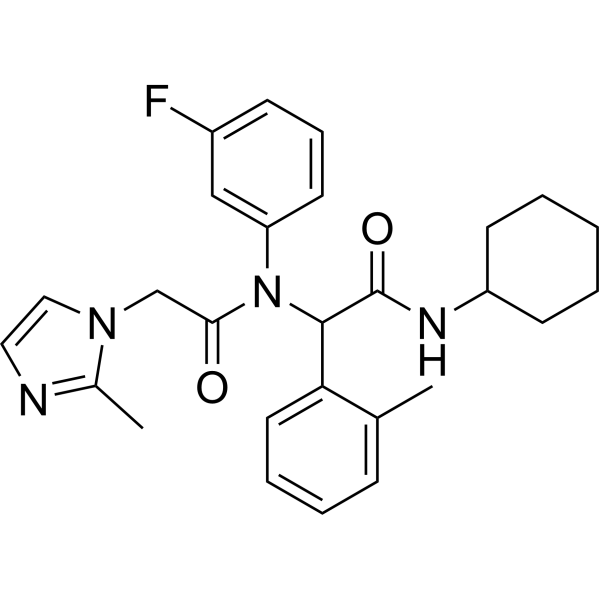
-
GSK864
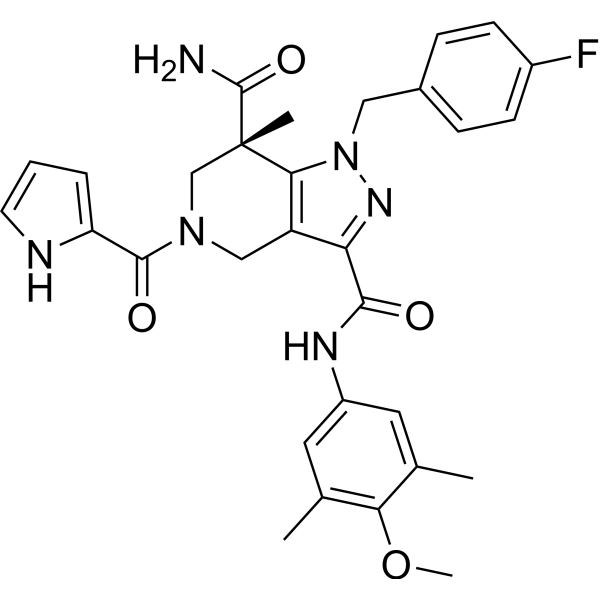 0 ImagesGSK864, a chemical probe, is an isocitrate dehydrogenase 1 (IDH1) mutant inhibitor; inhibits IDH1 mutants R132C, R132H, and R132G with IC50 values of 8.8, 15.2 and 16.6 nM.
-
Olutasidenib
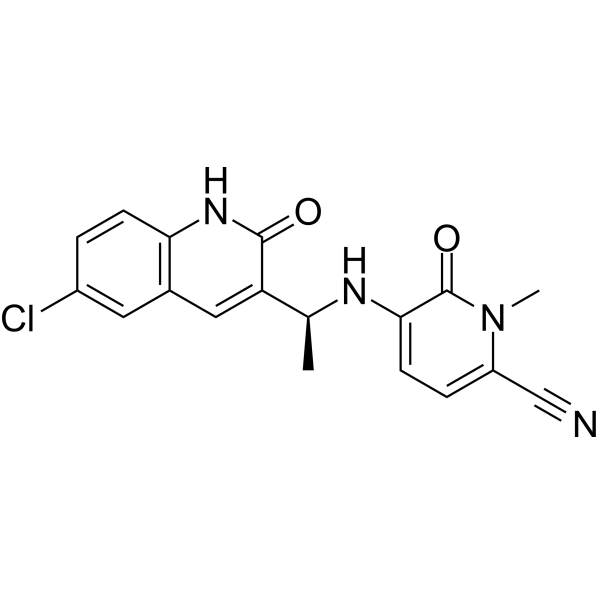 0 ImagesSynonyms: FT-2102Olutasidenib (FT-2102) is a highly potent, orally active, brain penetrant and selective inhibitor of mutant Isocitrate dehydrogenase 1 (IDH1), with IC50 values of 21.2 nM and 114 nM for IDH1- R132H and IDH1- R132C, respectively . Olutasidenib (FT-2102) is under the study in the treatment of acute myeloid leukemia (AML) or myelodysplastic syndrome (MDS) .
-
GSK990
 0 ImagesCat. No.: HY-123153CAS No.: 1816331-64-2GSK990 is an inactive mutant IDH1 inhibitor with no significant inhibitory activity against wild-type or mutant IDH1/IDH2 enzymes. In experiments, GSK990 can serve as an inactive negative control for the IDH1 inhibitor GSK321 (HY-18948). GSK990 is applicable to the research of acute myeloid leukemia.
-
BAY-1436032
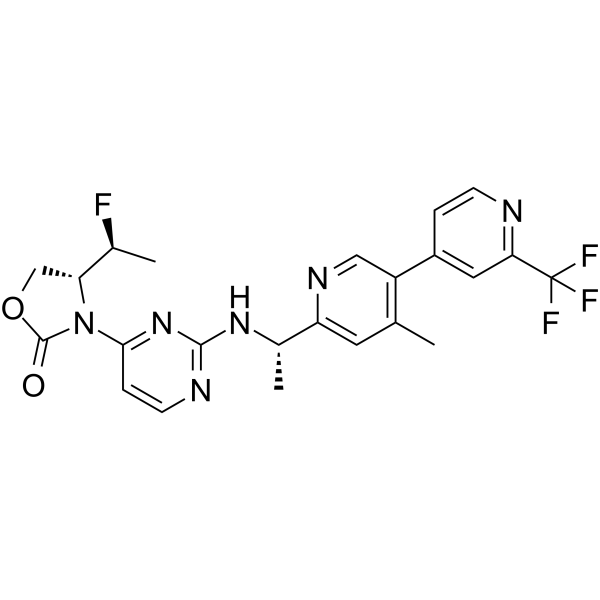
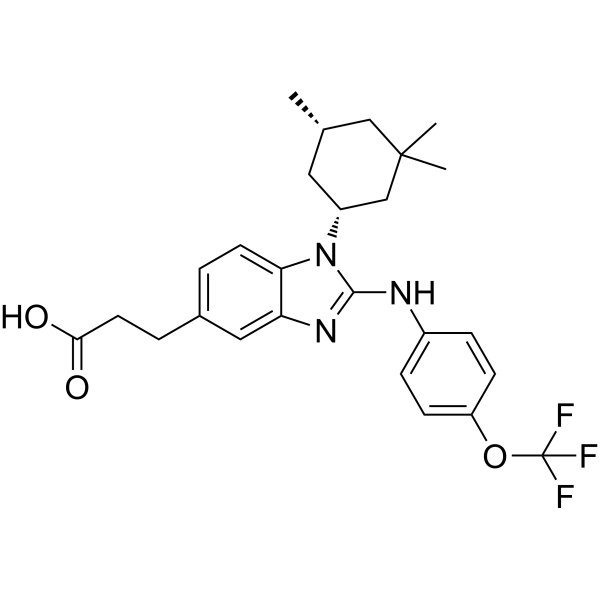 0 ImagesBAY-1436032 is a novel pan-mutant isocitrate dehydrogenase 1 (IDH1) inhibitor.
-
IDH1 Inhibitor 2
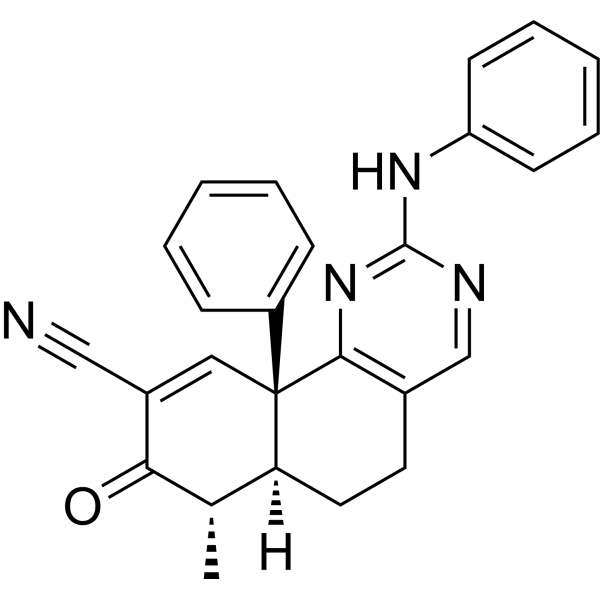 0 ImagesIDH1 Inhibitor 2 (compound 13) is a potent wild-type IDH1 inhibitor that exerts its activity through covalent modification of His315 with an IC50 value of 110 nM. IDH1 Inhibitor 2 can dose-dependently reduce the intracellular reduced glutamine metabolic flux, thereby affecting cellular metabolic homeostasis. IDH1 Inhibitor 2 can be used to study the role of IDH1 in cellular metabolic regulation and cancer development.
-
DIM-C-pPhCO2Me
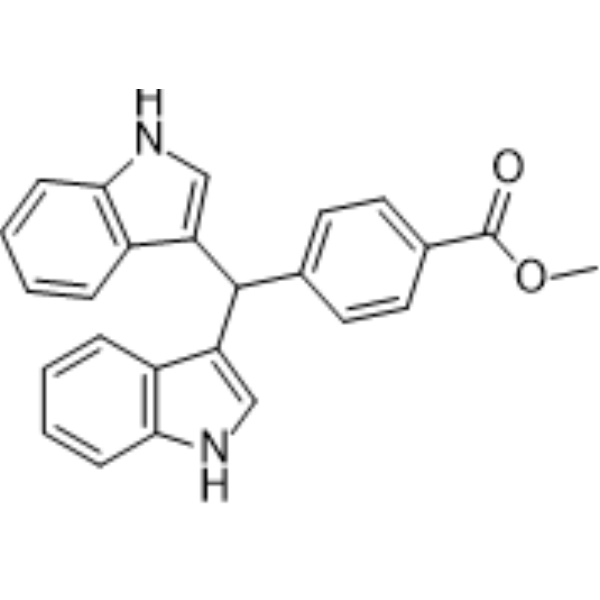 0 ImagesDIM-C-pPhCO2Me is a nuclear receptor 4A1 (NR4A1) antagonist. DIM-C-pPhCO2Me induces Apoptosis. DIM-C-pPhCO2Me decreases PAX3-FOXO1A, N-Myc, Rassf4, MyoD1, Grem1, and DAPK1 proteins. DIM-C-pPhCO2Me decreases expression of TXNDC5 and IDH1, induces markers of ER stress (CHOP, ATF4 and p-PERK). DIM-C-pPhCO2Me inhibits renal cell carcinoma, breast cancer. DIM-C-pPhCO2Me can also be used in rhabdomyosarcoma research.
-
Safusidenib
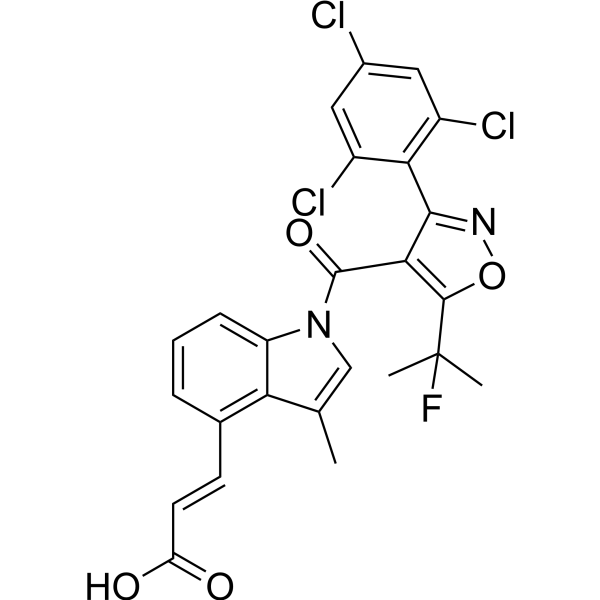 0 ImagesSynonyms: AB-291; DS-1001Safusidenib (AB-291; DS-1001) is an orally bioavailable, selective mutant IDH1 inhibitor. Safusidenib strongly inhibits mutant IDH1 but not wild-type IDH1. Safusidenib impairs tumor activity in chondrosarcoma. Safusidenib exhibits activity against IDH1R132H, and IDH1R132C with IC50s of 15, and 130 nM in assays without any preincubation, respectively.
-
(R,R)-GSK321
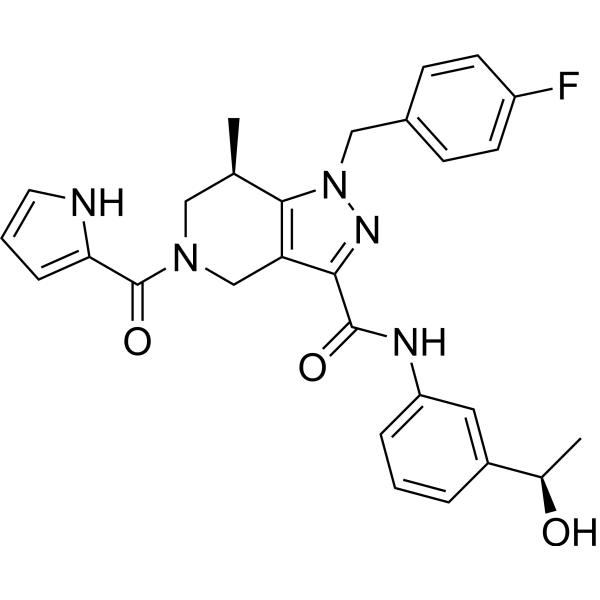 0 Images(R,R)-GSK321 is a wild-type isocitrate dehydrogenase 1 (WT IDH1) inhibitor with an IC50 value of 120 nM. (R,R)-GSK321 as a mutant R132H IDH1 inhibitor, is an isomer of GSK321 with some wild-type cross reactivity.
-
Mutant IDH1-IN-1
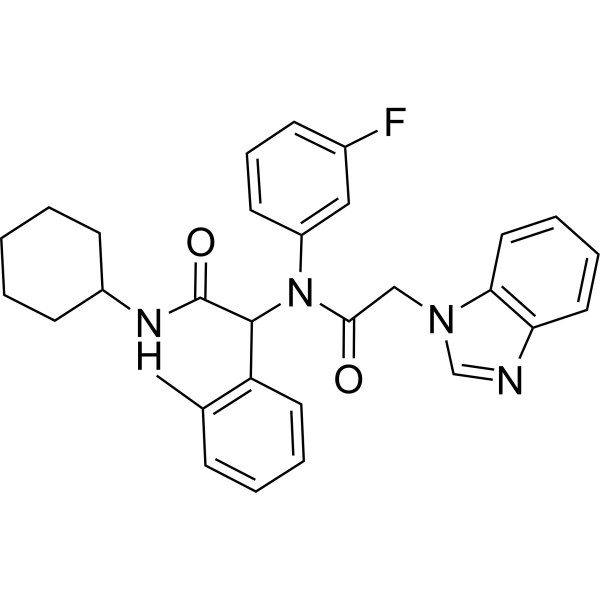 0 ImagesSynonyms: Agios 135Mutant IDH1-IN-1 (Agios 135) is a selective mutant IDH1 inhibitor with activity against both IDH1R132H and IDH1R132C. Mutant IDH1-IN-1 reduces the level of 2-hydroxyglutarate (2-HG), stabilizes mutant IDH1 protein, and restores blocked monocyte differentiation. Mutant IDH1-IN-1 can be used in tumor-related research.
-
(S,R)-GSK321
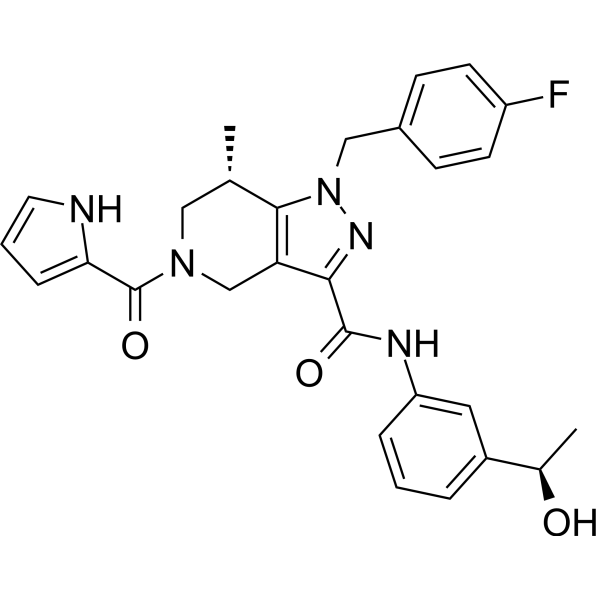 0 Images(S,R)-GSK321 is the (S,R)-enantiomer of GSK321 (HY-18948). GSK321 is a potent, selective mutant IDH1 inhibitor with IC50 values of 2.9, 3.8, 4.6 and 46 nM for R132G, R132C, R132H and WT IDH1, respectively, and >100-fold selectivity over IDH2. GSK321 induces decrease in intracellular 2-HG, abrogation of the myeloid differentiation block and induction of granulocytic differentiation at the level of leukemic blasts and more immature stem-like cells. GSK321can be used for research of acute myeloid leukemia (AML) and other cancers.
-
Mutant IDH1-IN-2
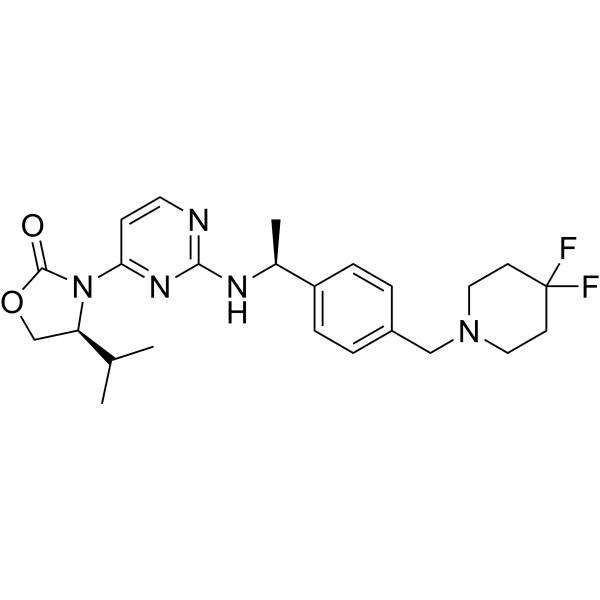 0 ImagesMutant IDH1-IN-2 is a inhibitor of mutant Isocitrate dehydrogenase (IDH) proteins, with IC50 of in LS-MS biochemical assay, IC50 of 16.6 nM in Fluorescence biochemical assay.
-
Crelosidenib
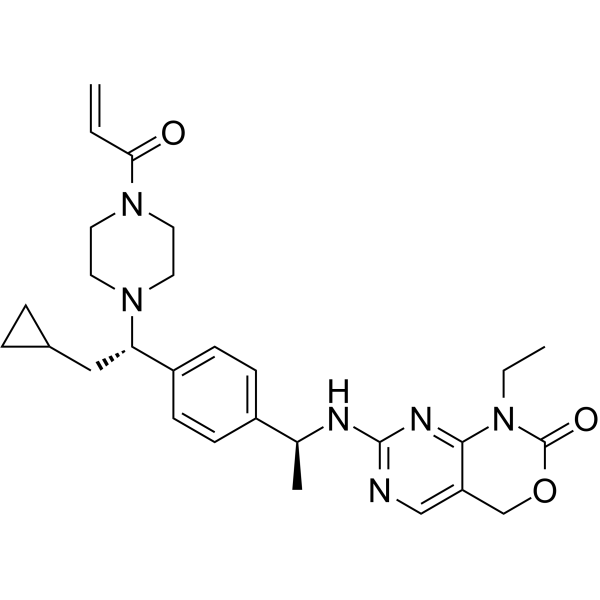 0 ImagesCat. No.: HY-131312CAS No.: 2230263-60-0Synonyms: LY3410738; Mutant IDH1-IN-6Mutant IDH1-IN-6 is a potent, selective and orally active mutant isocitrate dehydrogenase (IDH) inhibitor with IC50s of 6.27 nM, 3.71 nM, 36.9 nM and 11.5 nM for IDH1 R132H, IDH1 R132C, IDH2 R140Q and IDH2 R172K mutant enzymes, respectively. Mutant IDH1-IN-6 is less active at inhibiting the IDH wild-type enzymes.
-
IDH1 Inhibitor 7
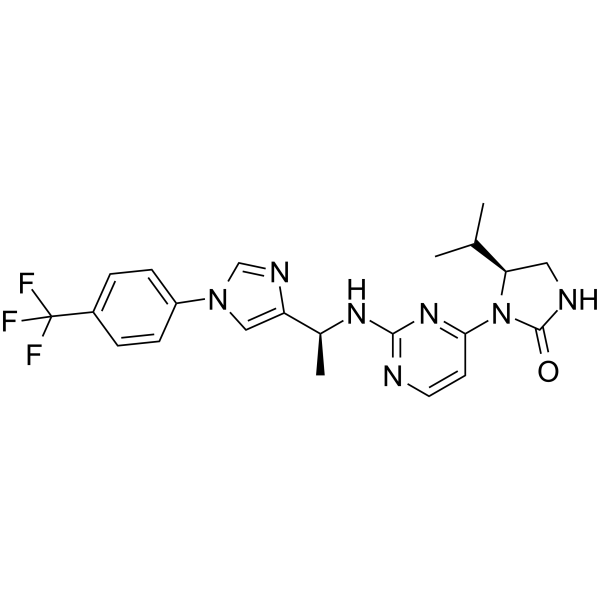 0 ImagesIDH1 Inhibitor 7 (Compound 88) is an IDH1 inhibitor with an IC50 of less than 100 nM.
-
TC-E 5008
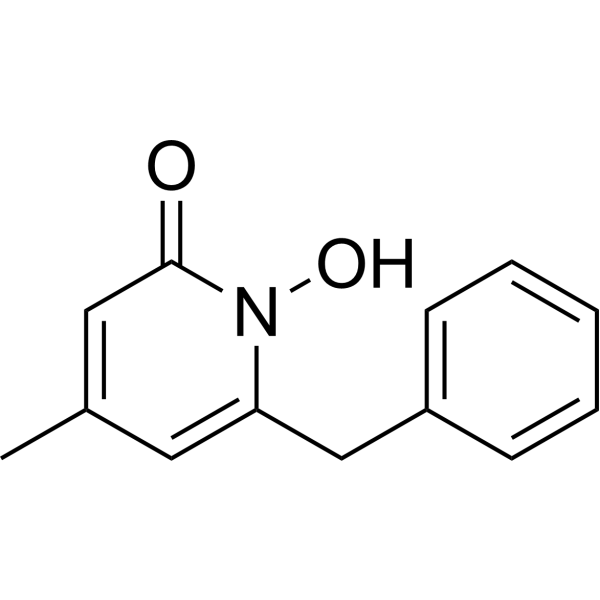 0 ImagesCat. No.: HY-110144CAS No.: 50405-58-8TC-E 5008 is a potent mutant IDH1 inhibitor with Ki values of 190 nM and 120 nM for R132H and R132C IDH1 mutants, respectively. TC-E 5008 exhibits very weak activity against WT-IDH1 with a Ki value of 12.3 μM. TC-E 5008 has anti-proliferative activity on multiple ER positive breast cancer cell lines.
-
Mutant IDH1/NAMPT-IN-1
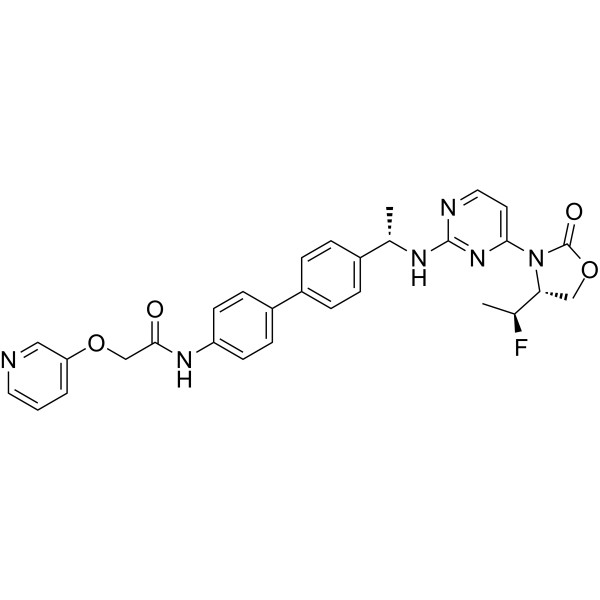 0 ImagesCat. No.: HY-158319CAS No.: 3040122-14-0Mutant IDH1/NAMPT-IN-1 (Compound 23h) is a dual inhibitor of mutant isocitrate dehydrogenase 1 (mutant IDH1) (IC50=14.93 nM) and nicotinamide phosphoribosyltransferase (NAMPT) (IC50=12.56 nM). Mutant IDH1/NAMPT-IN-1 can induce apoptosis. Mutant IDH1/NAMPT-IN-1 crosses the blood-brain barrier effectively.
-
IHMT-IDH1-053
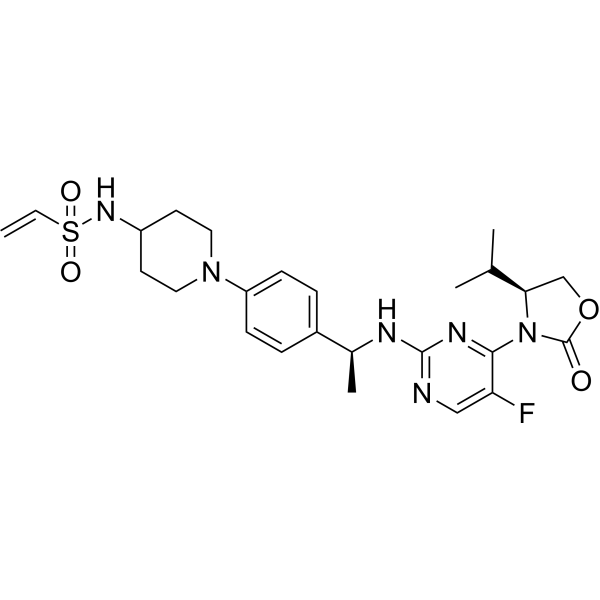 0 ImagesCat. No.: HY-149359CAS No.: 3049485-80-2IHMT-IDH1-053 (compound 16) is a highly selectivity and irreversible IDH1-mutant inhibitor with an IC50 of 4.7 nM for IDH1 R132H. IHMT-IDH1-053 displays high selectivity against IDH1 mutants over IDH1 wt and IDH2 wt/mutants. IHMT-IDH1-053 inhibits 2-hydroxyglutarate (2-HG) production in IDH1 R132H mutant transfected 293T cells (IC50=28 nM). IHMT-IDH1-053 binds to the IDH1 R132H protein in the allosteric pocket adjacent to the NAPDH binding pocket through a covalent bond with residue Cys269. IHMT-IDH1-053 inhibits the proliferation of HT1080 cell line and primary AML cells which both bear IDH1 R132 mutants.
- 1
- 2




